
Concrete Pumping Solutions

AS-3.5 self loading concrete mixer with trailer concrete pump
Strategic Concrete Solution in UAE: Maximizing Efficiency in the Modern Construction Sector
The United Arab Emirates continues to build iconic skyscrapers and massive infrastructure projects at a rapid pace. Contractors in Dubai and Abu Dhabi need reliable concrete solutions to stay on schedule. This guide explores the best equipment options for your next major project. Efficient machinery helps you meet tight deadlines and maintain very high quality standards.
Reliable on-site concrete production is a core requirement for success in this competitive market. You must choose equipment that can withstand the unique environmental challenges of the Middle East. High temperatures and sand can impact the performance of standard construction machinery. Therefore, selecting the right tools is the first step toward a profitable build.
The Advantages of a Self Loader Mixer for On-Site Production
On-site mixing offers many operational benefits for remote desert locations and busy urban sites. A self loader mixer combines loading, mixing, and transport functions in one mobile unit. This machine reduces the need for extra labor on your site. One operator can manage the entire process from the driver's cabin.
Consequently, you save a significant amount of money on every cubic meter of concrete produced. This unit functions like a mobile batching plant on wheels. It loads its own materials and weighs them with high precision. This accuracy ensures that your concrete meets the strict building codes of the UAE. Moreover, you can move the machine easily between different sections of a large project.
In addition, using a self loader mixer eliminates the wait times for external ready-mix deliveries. You no longer have to worry about traffic delays ruining a critical concrete pour. You control the production speed to match your team’s progress exactly. This independence is vital for maintaining a steady workflow in fast-paced construction environments.
Navigating the Concrete Pump Price in UAE for Better Logistics
Efficient concrete delivery requires more than just a high-quality mixing process. You must also transport the wet concrete to high floors or distant forms quickly. Many contractors ask about the concrete pump price in uae when planning their annual budgets. The cost typically depends on the pumping capacity and the specific boom length.
Stationary pumps are often more affordable for long-term projects in a single location. However, truck-mounted boom pumps offer much better flexibility for multiple sites. Furthermore, local support and spare parts availability will affect the total cost of ownership. You should compare several quotes to find the best value for your specific business needs.
When you analyze the concrete pump price in uae, consider the long-term maintenance requirements. High-pressure systems need regular inspections to prevent unexpected downtime on the job site. Choosing a reputable brand ensures that you can find technicians easily in the UAE. Reliability is often more valuable than the lowest initial purchase price during a busy project.
Technical Factors Affecting Pumping Equipment Costs
The horizontal and vertical reach of the pump boom is a primary price driver. Longer booms allow you to reach the tops of tall structures without moving the truck. However, these larger units require a higher initial investment and more space on site. You must evaluate your typical project height before you decide on a specific model.
Reliability and Performance in High Temperatures
Heat is a major factor for all hydraulic systems operating in the Emirates. Specialized cooling systems are necessary to keep the concrete pump running during the summer months. Consequently, units with tropical-grade cooling often carry a different price point. These features protect your investment and prevent the hydraulic oil from overheating.
Maintenance Strategies for Concrete Machinery in Arid Climates
The harsh UAE environment can be very taxing on your heavy construction machinery. Fine sand and intense heat can cause engines to overheat or filters to clog quickly. Therefore, you must establish a strict daily maintenance routine for your entire fleet. Wash the mixing drum thoroughly after every shift to prevent internal concrete buildup.
Lubrication is also essential for protecting moving joints from abrasive desert sand and grit. Check the hydraulic fluids and oil levels every morning before you start production. These simple steps will extend the functional life of your mixer and pump significantly. Proper care ensures that your equipment remains a profitable asset for your company.
Conclusion: Securing Your Project Success with Smart Choices
Choosing the right concrete solution is a strategic decision for any professional contractor. The right equipment improves your site productivity and enhances your professional reputation. Whether you buy a mixer or a pump, focus on reliability and local service support. High-quality machinery provides the foundation for successful and profitable construction projects in the UAE.
Take the time to evaluate your typical project volumes before you make a purchase. Consult with local experts to find the best configuration for your specific site conditions. A smart investment today will drive the long-term growth of your construction company. Your projects deserve the best mixing and pumping technology currently available in the market.
Concrete Placement Challenges in South Africa’s Township Construction Projects
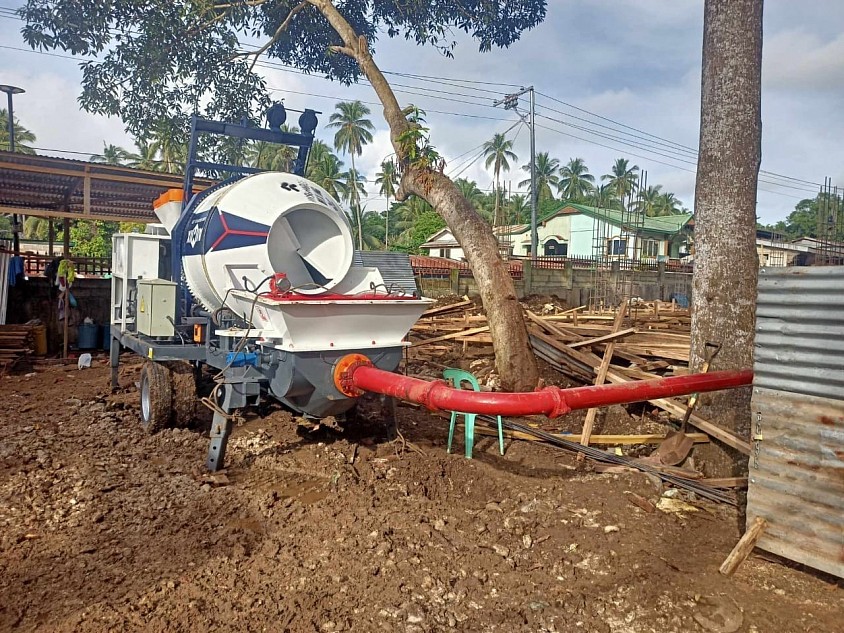
Township construction projects in South Africa often involve a dense mixture of residential buildings, access roads, drainage systems, public facilities, and utility infrastructure within relatively constrained areas. Concrete placement can become difficult when construction entrances are narrow, work fronts are fragmented, and conventional concrete delivery vehicles cannot approach every foundation or structural element directly. The challenge is therefore not simply producing enough concrete. It is moving fresh concrete from the mixing point to the exact location where it is required while maintaining placement speed, consistency, and reasonable operating costs.
Different projects require different pumping arrangements. A concrete mixer pump for sale can combine mixing and pumping for smaller construction sites, while a small concrete pump for sale South Africa can provide a compact solution where access is restricted. Larger township developments may benefit from a truck-mounted system, especially when concrete must be delivered across multiple structures or elevated work areas. Equipment selection ultimately depends on site geometry, concrete demand, pumping distance, and the number of active construction fronts.
Why Township Projects Create Difficult Concrete Placement Conditions
Restricted Access Between Buildings and Work Areas
Many township construction sites develop within established communities rather than completely open greenfield areas. Existing houses, roads, utility lines, pedestrians, and neighboring structures can limit vehicle movement. A mixer truck may reach the project entrance but still be unable to position itself beside the foundation.
This creates a final-placement problem. Concrete must travel from the vehicle or mixer to the formwork without excessive manual handling. Pumping provides a more adaptable delivery route because pipelines or pump hoses can pass around obstacles and reach areas that are inconvenient for direct discharge.
Fragmented Concrete Demand
Township projects rarely consist of one enormous foundation pour. Instead, concrete may be required sequentially for house foundations, columns, floor slabs, drainage channels, retaining structures, sidewalks, and other supporting works.
This fragmented demand favors equipment that can respond quickly to changing work fronts. A machine with excessive capacity may be underutilized, while an undersized pump can become a bottleneck when several construction crews require concrete simultaneously.
Equipment Solutions for Concrete Placement in South African Townships
Concrete Mixer Pump for Small and Medium Projects
A concrete mixer pump for sale is particularly relevant to township construction because it integrates concrete mixing and pumping into one machine. Instead of depending entirely on a separate batching system and dedicated pump, the equipment can prepare concrete and transport it through a pipeline to the placement point.
This configuration can simplify operations on projects where concrete volumes are moderate and work areas are relatively compact. It is useful for foundations, slabs, columns, walls, and other structural components where the concrete must be moved beyond the practical reach of direct mixer discharge.
Small Concrete Pump for Restricted Construction Sites
A small concrete pump for sale south africa can be advantageous where maneuverability matters more than very high pumping capacity. Compact pumping equipment can operate within narrower construction corridors and reduce the amount of space required for equipment positioning.
This is particularly valuable when multiple houses are being constructed within a confined township development. The pump can be positioned near the accessible side of the work area while the delivery hose extends toward the foundation or slab. Such an arrangement reduces the need for workers to repeatedly transport concrete manually using wheelbarrows or small containers.
Concrete Pump Truck for Larger Township Developments
A concrete pump truck for sale south africa is better suited to projects requiring greater pumping reach, higher placement capacity, or elevated concrete delivery. The truck-mounted configuration combines mobility with a boom system capable of positioning concrete over walls, foundations, slabs, and other structural elements.
For larger housing developments, schools, clinics, commercial buildings, and community infrastructure, the extended reach of a pump truck can accelerate placement. The equipment can move between work zones as construction progresses, reducing the logistical friction associated with fixed pumping arrangements.
Matching Pumping Equipment to Township Construction Applications
Foundations, Floor Slabs, and Structural Elements
Residential foundations and floor slabs represent some of the most common concrete applications in township development. These areas often require consistent placement across relatively broad surfaces, making pumping useful when direct vehicle access is limited.
For smaller house-building programs, a concrete mixture pump can produce and pump concrete in one integrated workflow. For larger structural projects, a dedicated pump can receive concrete from a batching plant or mixer truck and deliver it continuously to the active work front.
Drainage and Road-Related Concrete Works
Township infrastructure extends beyond individual buildings. Drainage channels, culverts, kerbs, pavements, retaining elements, and localized road structures also consume concrete.
These applications frequently stretch across the site rather than remaining concentrated at one foundation. Mobile pumping equipment can therefore provide an important advantage by allowing concrete placement at locations separated from the main access route.
Multi-House and Community-Scale Developments
When dozens or hundreds of residential units are constructed, concrete placement becomes a repetitive logistical operation. The challenge shifts from completing one pour to maintaining a dependable production-and-placement cycle across many work fronts.
A small pump may be suitable for localized works, while larger developments can combine batching plants, mixer trucks, and pump trucks. The objective is to create a coordinated concrete chain in which production capacity and pumping capacity remain reasonably balanced.
How Equipment Selection Improves Concrete Placement Efficiency
Consider Pumping Distance and Required Output
Pump selection should account for both horizontal and vertical delivery requirements. Longer pipelines, higher elevations, bends, and complex routing can increase pumping resistance. Concrete mix characteristics also influence pumping behavior.
Consequently, nominal output alone should not determine equipment selection. The practical pumping rate under actual site conditions is more meaningful when planning a construction schedule.
Prioritize Mobility and Maneuverability
Township construction often involves constrained spaces, making equipment footprint an important consideration. A compact machine can sometimes outperform a larger system simply because it can reach the required work area without extensive site modification.
Mobility also reduces repositioning time. When the active construction zone changes, equipment that can relocate efficiently helps maintain continuity between concrete production and placement.
Balance Equipment Cost With Utilization
The economics of concrete pumping depend heavily on utilization. A large pump truck may provide impressive reach and output, but its cost may be difficult to justify for a small residential project with intermittent concrete demand.
Conversely, using manual placement for a large housing development can consume substantial labor and extend construction time. A compact pumping system can occupy the middle ground, offering mechanized placement without requiring the scale of equipment used on major high-rise projects.
Concrete placement in South African township construction is fundamentally a logistics problem shaped by restricted access, fragmented work fronts, and changing concrete demand. A concrete mixer pump for sale can integrate production and pumping for smaller projects, while a small concrete pump for sale south africa offers maneuverability in confined areas. For larger developments, a concrete pump truck for sale south africa can provide greater reach and placement capacity. Selecting the right equipment according to site constraints, concrete volume, pumping distance, and project scale can make concrete placement faster, more controlled, and less labor-intensive.
How Concrete Equipment Suppliers Support Marine Construction Projects in Singapore
Marine construction in Singapore operates under conditions that place unusual demands on concrete production and placement. Reclamation works, seawalls, marine terminals, bridge foundations, offshore structures, drainage infrastructure, and waterfront developments may require concrete to be delivered across constrained access routes, over water, or into locations where conventional truck access is impractical. The equipment therefore has to function as part of a coordinated marine construction system rather than as an isolated machine. Equipment selection must account for pumping distance, elevation, concrete mix characteristics, site accessibility, working windows, and the continuity of placement. A capable supplier can support this process by matching pumping and delivery equipment to the actual geometry and sequence of the marine project.
Understanding the Concrete Demands of Marine Construction
Concrete Placement Often Takes Place Away From Normal Road Access
Marine construction sites can be separated from conventional land-based logistics. A seawall, jetty, bridge pier, or reclamation structure may be located beside water or on a temporary working platform, making direct delivery by conventional concrete trucks difficult. In these situations, concrete pumping provides a controlled method of transferring fresh concrete from the delivery point to the placement location. The equipment must maintain a continuous flow while accommodating the distance and layout of the delivery pipeline.
Marine Projects Require Careful Pumping Planning
Concrete pumping performance depends on more than nominal pump capacity. Pipeline length, vertical lift, pipe diameter, bends, concrete slump, aggregate size, and pumping frequency all influence the actual operating requirements. A concrete pump supplier can therefore help contractors determine whether a boom pump, stationary concrete pump, or another configuration is appropriate for the project. For example, a concrete pump in Singapore may be configured for foundation work where the placement point is difficult to reach directly with a truck-mounted boom. A stationary line pump can instead be positioned at a practical location while delivery pipes extend toward the marine structure.
Continuous Placement Matters
Marine concrete works often involve carefully planned pouring sequences. Interruptions can create construction joints where a continuous pour is preferred. The pumping system must therefore be selected according to the required concrete flow rate and expected duration of each placement operation. Reliability becomes a practical construction requirement, not merely an equipment specification.
How Equipment Suppliers Help Match Pumping Equipment to Marine Sites
Truck-Mounted Pumps Provide Reach and Mobility
Truck-mounted concrete pumps combine a concrete pump with a vehicle chassis and placing boom. This configuration can be useful when the equipment needs to move between multiple accessible locations around a marine project. A concrete pump truck Singapore contractors select for a particular project should be evaluated according to boom reach, pumping capacity, site access, and the geometry of the placement area. The machine may be highly suitable for bridge approaches, waterfront structures, foundations, and other applications where the truck can be positioned relatively close to the concrete placement zone.
Stationary Pumps Suit Long or Restricted Pipeline Routes
Some marine construction locations cannot be reached effectively with a truck-mounted boom. A stationary concrete pump can provide another arrangement. The pump remains at a designated position while concrete travels through a delivery pipeline to the work area. This configuration can be advantageous when the pumping route is long, the placement point is elevated, or the working area has severe access limitations.
Pipeline Layout Becomes a Design Consideration
A concrete equipment supplier can assist with determining the pipeline arrangement, including pipe diameter, horizontal distance, vertical elevation, bends, and support points. Poorly planned routing can increase pumping resistance and create unnecessary pressure losses. A carefully designed route can provide a more stable concrete flow and simplify inspection and maintenance.
Concrete Mix Compatibility Must Be Considered
Marine concrete can have specialized performance requirements related to durability, permeability, strength, and exposure conditions. The pumping equipment must be compatible with the selected mix. Aggregate size and grading are particularly important. Concrete containing large aggregate or an unsuitable grading curve can increase pumping resistance or create blockage risks if the delivery system is improperly configured. A supplier should therefore consider the actual concrete mix together with the pumping distance rather than selecting equipment solely from the required output rate.
What to Look for in a Concrete Equipment Supplier in Singapore
Technical Support Should Begin Before Equipment Delivery
A reliable concrete pump supplier in Singapore contractors work with should be able to discuss the project's actual pumping conditions before recommending equipment. Useful information includes:
Required concrete volume and placement rate
Horizontal pumping distance
Vertical pumping height
Concrete mix characteristics
Aggregate size and grading
Available equipment access points
Pipeline routing and support requirements
Expected duration of continuous pumping
This information allows the supplier to develop an equipment configuration based on engineering requirements rather than relying on a generic product recommendation.
Equipment Reliability Is Important on Marine Jobsites
Marine construction schedules can be highly coordinated. Concrete placement may depend on tide conditions, barge availability, temporary access, crane operations, or restricted working windows. Equipment downtime can therefore have consequences beyond the pump itself. A suitable supplier should provide access to maintenance guidance, spare parts, troubleshooting assistance, and operator support. Preventive maintenance becomes particularly important when equipment is operating continuously during demanding concrete pours.
After-Sales Support Can Reduce Operational Disruption
Technical support is especially valuable when the equipment is being used on complex infrastructure projects. Operators may need assistance with pump settings, pipeline configuration, cleaning procedures, or component replacement. A supplier with established technical support can help contractors respond to these issues before they develop into prolonged interruptions.
Local Project Conditions Should Shape Equipment Selection
Singapore's compact geography and dense infrastructure can create unusual site constraints. Marine construction may take place beside active roads, ports, industrial facilities, bridges, or developed waterfront areas. This means equipment must fit not only the concrete requirement but also the physical and logistical environment. A concrete pump supplier in Singapore can help evaluate access, equipment positioning, pumping routes, and site coordination before the concrete placement begins. This preparation is particularly valuable where there is little room for repositioning equipment after the project has started.
From Equipment Supply to Concrete Placement Planning
The role of a mobile pumpcrete equipment supplier in marine construction extends beyond providing a machine. The supplier can contribute to the planning chain that connects concrete delivery, pumping, pipeline routing, equipment positioning, and final placement. For smaller accessible areas, a truck-mounted pump may provide the required mobility and reach. For longer or more restricted pumping routes, a stationary pump and pipeline system may be more appropriate. The final selection depends on the project's concrete volume, pumping distance, mix characteristics, elevation, access conditions, and construction sequence. Marine construction leaves little room for improvised concrete logistics. Water, restricted access, long pumping routes, and tightly scheduled placement operations make equipment compatibility particularly important. With the right equipment configuration and technical support, contractors can establish a more predictable concrete flow from delivery point to final placement, helping complex marine projects maintain continuity while working within Singapore's demanding construction environment.
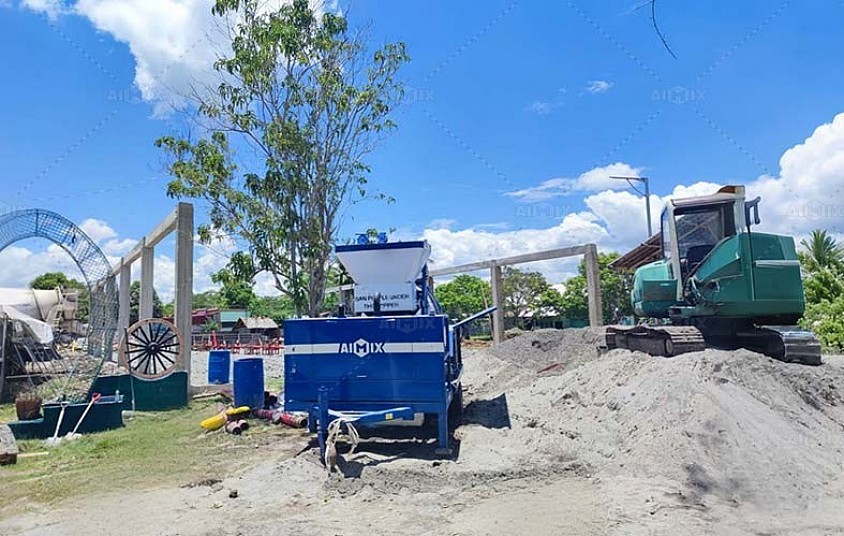
How Jamaican Contractors Organize Concrete Pumping Around Other Construction Activities
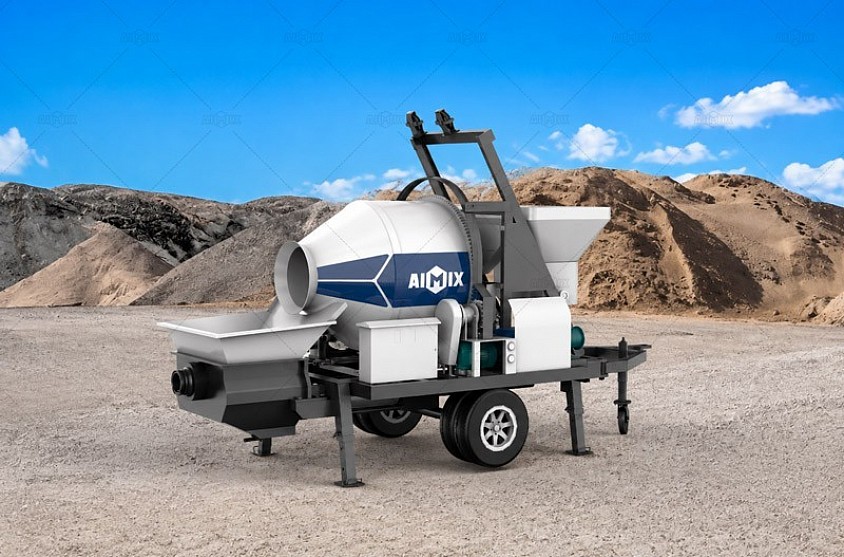
Concrete pumping rarely takes place in isolation. On Jamaican construction sites, a concrete pour may occur while excavation, reinforcement installation, formwork, masonry, electrical work, material deliveries, and equipment movement are happening nearby. The challenge is therefore not simply selecting a pump with sufficient output. Contractors must organize the entire work area so that concrete can move continuously without obstructing other trades or creating unnecessary delays. This becomes particularly important on compact urban sites, infrastructure projects, foundations, and developments where access routes are shared by workers, trucks, cranes, and other machinery. A well-planned pumping operation treats concrete placement as one component of the wider construction sequence.
The planning process usually begins several days before the actual pour. Contractors identify the concrete volume, delivery schedule, pump location, pipeline route, placing sequence, available access, and activities that must temporarily stop or move. Weather and site conditions may also affect the schedule. The objective is straightforward: establish a predictable concrete flow while preserving enough working space for other construction activities before, during, and immediately after the pour.
Coordinate the Pumping Window With the Construction Schedule
Concrete Pouring Requires a Defined Working Period
A concrete pour should have a clearly defined start and completion window. Before the concrete pumping machine arrives, contractors normally confirm that reinforcement, formwork, embedded items, access routes, and inspection requirements are ready. Starting too early can interfere with unfinished work, while starting too late may compress the placement period and disrupt subsequent activities.
Separate Conflicting Activities From the Pumping Route
Concrete pumping creates a temporary operational corridor. Delivery trucks need access to the discharge area, operators require space around the pump, and workers need a clear route along the pipeline. Other activities should therefore be relocated or sequenced around this corridor. Material stacking, welding, scaffolding adjustments, and equipment movement should not compete for the same space during the critical placement period.
Use a Pre-Pour Site Check
A short site inspection can identify practical conflicts before they become interruptions. The team can check the pump position, truck approach, pipeline supports, electrical or hydraulic equipment, pedestrian routes, and emergency access. This simple reconnaissance is especially useful on compact sites where a few metres of additional clearance can determine whether several activities can proceed simultaneously.
Position the Concrete Pump Around Existing Site Operations
Keep the Pump Accessible but Outside the Main Work Face
The concrete pumps for sale in Jamaica does not always need to stand immediately beside the foundation, slab, wall, or column being poured. Positioning the pump at an accessible location can allow delivery vehicles to approach without entering the most congested section of the project. The pipeline can then carry concrete toward the placement zone.
This arrangement can reduce interference with cranes, excavators, forklifts, and workers moving through the site. However, the pump location still needs adequate clearance for operation, maintenance, cleaning, and safe connection of the delivery pipeline. The shortest physical route is not necessarily the most workable route.
Use Pipeline Routing to Preserve Working Space
A pipeline should follow a deliberate path rather than simply crossing whatever space is available. Contractors can route it along site boundaries or other relatively stable corridors where practical. Bends should be limited, support points should be secure, and the pipeline should not create an unnecessary trip hazard or obstruct access to active work areas.
Longer Routes Need More Careful Coordination
When pumping distances increase, the route becomes increasingly important. Horizontal sections, vertical rises, bends, hose sections, and changes in elevation all contribute to the operational requirements of the pumping system. The concrete mix and pump specifications should be considered together with the proposed pipeline configuration before the pour begins.
Match Concrete Production With Pumping and Placing Capacity
Integrated Systems Can Reduce Equipment Handoffs
For projects where concrete production and placement occur close together, a concrete mixing and pumping machine can combine two stages of the workflow. This arrangement may be useful for foundations, small buildings, rural projects, and scattered construction tasks where maintaining separate batching and pumping operations would add logistical complexity.
Separate Mixing and Pumping Can Suit Larger Pours
For larger projects, a dedicated mixer or batching system may supply concrete to a separate pump. A concrete pump with mixer arrangement allows production capacity and pumping capacity to be selected independently. Contractors can therefore adapt each part of the system to the required concrete volume, delivery interval, pumping distance, and placement rate.
Avoid Creating a Supply Bottleneck at the Pump
The pump should not operate faster than the concrete supply can sustain. If concrete arrives intermittently, the pumping crew may be forced to pause repeatedly. Conversely, excessive delivery can create congestion around the discharge area. The practical target is a steady relationship between production, delivery, pumping, and placing capacity.
Organize Other Trades Around the Concrete Placement Sequence
Complete Preparatory Work Before Pumping Starts
Reinforcement, formwork, embedded components, access preparation, and inspection should be completed before concrete enters the pumping system. Once placement begins, workers should focus on directing, consolidating, leveling, and finishing the concrete rather than attempting major preparatory work at the same time.
Plan Post-Pour Activities Before Equipment Leaves
The end of the pour also requires coordination. Concrete finishing crews may need continued access while pumping equipment is being cleaned or relocated. Washout arrangements should be established in advance, and temporary pipeline sections should be removed without blocking other construction routes.
A line concrete pump machine can be particularly useful when concrete must travel from an accessible pumping position to a restricted placement area, but its effectiveness depends on how well the entire site operation is organized. Jamaican contractors can reduce interruptions by treating pumping as a scheduled construction activity rather than an isolated equipment task. When pump placement, pipeline routing, concrete supply, labor, and other trades are coordinated around the same pour sequence, concrete placement becomes easier to control and less likely to disrupt the broader project workflow.
How Mobile Concrete Pumps Support Food Processing Plant Expansion in Malaysia
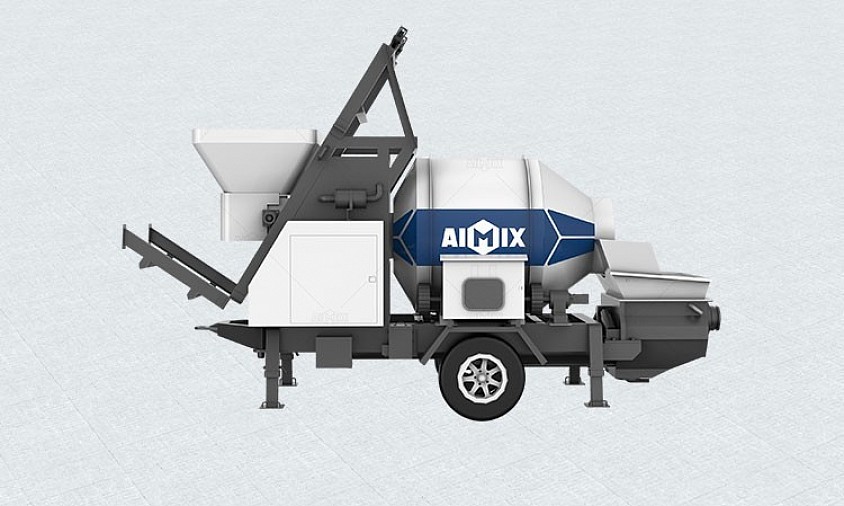
Food processing plant expansion in Malaysia often involves construction work around an operating facility rather than on an empty site. New production halls, cold-storage buildings, utility rooms, loading areas, drainage structures, equipment foundations, and elevated platforms may need to be added while existing operations continue nearby. This creates a concrete placement challenge: the required pours can be substantial, but access routes may be restricted by existing buildings, machinery, storage areas, and internal traffic. A mobile pumping system can help contractors move concrete from the delivery point to the actual work area without requiring a permanent pumping installation. For this type of project, pumping equipment is not selected only according to maximum output. Hose routing, working radius, access width, pouring sequence, repositioning frequency, and the distance between the mixing source and construction zone can be equally important. A properly configured concrete pump machine in Malaysia can therefore become part of the site logistics plan, particularly when expansion work is carried out in several phases.
Why Food Processing Plant Expansion Creates Difficult Concrete Placement Conditions
Existing Facilities Limit Equipment Access
Expansion projects frequently take place beside an operating production building. Existing walls, pipe racks, utility lines, refrigeration equipment, and finished floors can create narrow corridors for construction traffic. Large concrete delivery equipment may not be able to approach every pouring location directly. A mobile pump provides another route. Concrete can be received at a practical access point and transferred through a pipeline or hose arrangement to the required location. This separates the concrete discharge point from the actual placement point.
Construction Work Often Happens in Phases
Food processing facilities rarely expand through one continuous concrete pour. Foundations may be constructed first, followed by structural columns, floor slabs, equipment bases, drainage channels, and loading platforms. Each phase can occupy a different section of the site.
Repositioning Can Matter More Than Maximum Output
A pump that can be moved between work zones allows contractors to adapt the concrete placement setup as construction progresses. This is particularly useful when several small or medium-sized pouring areas are distributed around an existing plant.
How Mobile Pumping Supports Different Expansion Work
Equipment Foundations Require Controlled Placement
Food processing plants contain equipment that requires stable foundations. Mixers, conveyors, packaging machinery, refrigeration systems, tanks, boilers, and other utility equipment may each require reinforced concrete bases with specific dimensions. In these situations, concrete placement needs to be controlled rather than simply fast. A mobile concrete pump in Malaysia can position concrete through a delivery line while workers manage the placement and consolidation around reinforcement and embedded components.
Floor Extensions Need Consistent Concrete Delivery
Production-area extensions and warehouse additions may involve relatively large floor slabs. Once reinforcement and formwork are prepared, concrete delivery needs to follow a planned sequence to reduce unnecessary interruption. The pumping system can remain at an accessible position while the delivery hose is moved progressively across the slab. This arrangement can reduce the need for concrete vehicles to enter the active construction zone.
Loading and Drainage Areas Also Benefit From Flexible Placement
Expansion projects may include truck loading bays, drainage channels, wastewater structures, equipment platforms, and access ramps. These structures can have irregular layouts and different elevation requirements. Flexible pumping allows concrete to reach locations that are awkward for direct truck discharge. The same basic pumping setup can therefore support several types of secondary concrete work during the expansion period.
Choosing Pumping Equipment Around the Expansion Site
Output Should Match the Actual Pouring Sequence
Higher theoretical output does not automatically improve a project if the construction team cannot receive and place concrete at the same rate. The pump capacity should correspond with the concrete supply schedule, crew size, reinforcement density, and size of the individual pour. For smaller expansion packages, a concrete mobile pump can provide a practical balance between mobility and pumping capacity. For larger structural pours, contractors may require higher output and a more extensive pipeline arrangement.
Pipeline Layout Should Be Planned Before Installation
The pumping route should account for corners, vertical changes, building entrances, restricted passages, and areas where existing production activities must remain undisturbed. Excessive bends can complicate pumping, while poorly positioned pipelines can obstruct workers and other construction equipment.
Site Access Determines the Practical Equipment Configuration
Before selecting the pump, contractors can map the concrete entry point, pump position, pipeline route, and final discharge locations. This simple site study helps determine whether the equipment needs frequent relocation or can remain in one position throughout a particular construction phase.
Operational Benefits During an Active Plant Expansion
Concrete Placement Can Be Separated From Material Access
One of the practical advantages of pumping is that concrete delivery and concrete placement do not have to occur at exactly the same physical location. This can help contractors keep heavy vehicle movement away from sensitive areas of an operating food processing facility. The arrangement is especially useful when the expansion zone is separated from the available truck access point by an existing structure or internal road.
One Pumping System Can Support Multiple Construction Phases
Mobile small concrete pumps for sale may serve foundations during one stage and then be repositioned for slabs, equipment bases, drainage structures, or other concrete work later. This creates a more adaptable equipment arrangement for phased expansion. Instead of designing the pumping setup around only one pour, contractors can consider how the equipment will move through the entire construction schedule.
Planning Concrete Pumping for Malaysian Food Processing Projects
Food processing plant expansion requires coordination between construction logistics and the existing operational environment. Concrete supply, pump positioning, pipeline routing, worker access, vehicle movement, and pouring sequences should therefore be considered together. A mobile pumping solution is particularly relevant when the expansion involves restricted access, multiple work areas, phased construction, or concrete placement away from the truck approach point. By matching pump configuration with the actual site layout and construction sequence, contractors can create a more orderly concrete placement process while keeping the expansion work compatible with an operating industrial facility.
How UAE Building Contractors Manage Large Concrete Pours on Construction Sites
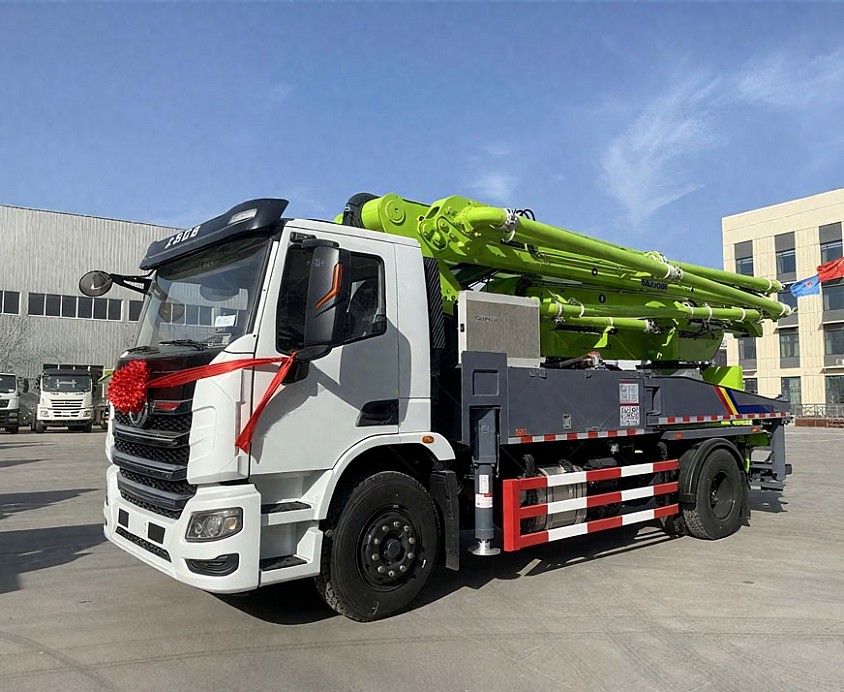
Large concrete pours are a critical operation in the UAE's construction sector, particularly for high-rise buildings, commercial complexes, industrial facilities, and infrastructure developments. High ambient temperatures, tight construction schedules, restricted site access, and continuous concrete placement requirements make pour management a demanding task. Contractors must coordinate concrete production, transportation, pumping, labor, and quality control to prevent interruptions that could compromise structural integrity. Successful execution begins long before the first batch reaches the site. Contractors assess the volume of concrete required, the dimensions of the structure, the placement rate, and the distance between the mixing facility and the pouring location. They also account for temperature-related setting behavior and the availability of backup equipment. With a well-defined pouring sequence and suitable machinery, construction teams can maintain a consistent concrete supply, reduce unnecessary delays, and complete large-scale pours with greater operational control.
Planning Large Concrete Pours Before Construction Begins
Calculate Concrete Volume and Required Placement Speed
The first step is determining the total concrete volume and the time available for placement. Foundations, raft slabs, transfer beams, and core walls may require substantial quantities of concrete within a relatively narrow time window. Contractors calculate the required hourly placement rate and match it with the capacity of batching plants, transit mixers, and concrete pumps for sale. For example, a project requiring 600 m³ of concrete over ten hours needs an average placement rate of 60 m³/h. Actual equipment capacity must account for transportation delays, repositioning, interruptions, and other site constraints.
Coordinate Concrete Supply and Delivery Schedules
A large pour depends on a dependable supply chain. Contractors coordinate batching plant output with transit mixer availability, delivery routes, site entry arrangements, and the pumping team's working sequence. In the UAE, traffic congestion, long transport distances, and high daytime temperatures can complicate delivery planning. Staggered dispatch schedules help prevent excessive truck queues while maintaining a continuous flow of fresh concrete. Teams also establish contingency arrangements for traffic delays, equipment breakdowns, and unexpected changes in concrete demand.
Selecting the Right Concrete Pump for Site Conditions
Use Boom Pumps for Elevated and Extensive Placement Areas
High-rise buildings and large commercial developments often require concrete to be delivered to elevated floors or across wide structural sections. A boom pump provides an articulated placing boom that can direct concrete into different positions without repeatedly relocating ground-level delivery equipment. Contractors evaluating a concrete boom pump in UAE projects consider the required vertical reach, horizontal coverage, pipeline output, ground stability, and available setup space. Boom pumps are particularly useful for raft foundations, elevated slabs, columns, and large structural decks where placement speed and maneuverability are essential. Proper positioning is equally important. The pump must have sufficient outrigger clearance, a stable supporting surface, and safe access for concrete delivery trucks. Site teams also plan the boom's operating envelope to avoid clashes with cranes, scaffolding, overhead utilities, and adjacent structures.
Choose Stationary Pumps for Long-Distance Concrete Delivery
Some projects involve deep foundations, underground structures, high-rise cores, or locations where a truck-mounted boom cannot reach the pouring point. In these situations, stationary pumping systems can provide a practical alternative. A concrete stationary pump in UAE construction projects can deliver concrete through a fixed pipeline routed vertically or horizontally toward the placement area. Contractors assess the pumping distance, elevation difference, concrete mix properties, pipeline diameter, and required output before selecting a suitable unit. Pipeline planning requires careful attention to bends, reducers, joints, and support points. Excessive bends increase resistance, while inadequate pipeline support can create operational hazards. Before pumping begins, crews inspect connections, prepare the pipeline, and confirm that the concrete mix is suitable for the intended pumping conditions.
Controlling Concrete Quality in Hot UAE Weather
Manage Concrete Temperature and Setting Time
High temperatures accelerate moisture loss and can shorten the workable period of fresh concrete. These conditions make timing particularly important when placing large slabs or foundations. Contractors work with concrete suppliers to establish appropriate mix designs, delivery temperatures, and admixture requirements. Depending on the project specification, measures may include chilled mixing water, cooled aggregates, approved retarding admixtures, and shaded material storage. Delivery and placement must remain synchronized. Extended waiting times can reduce workability and increase the risk of cold joints, especially when successive layers need to be integrated into a continuous structural pour.
Maintain Consistent Compaction and Curing
Concrete placement does not end when the material leaves the pump hose. Workers must distribute the concrete evenly, compact it using suitable vibrators, and maintain the specified reinforcement cover and surface levels. Large slabs require a predetermined placement sequence to limit differential setting and uneven loading. After finishing, curing procedures help control moisture loss and reduce the likelihood of early-age cracking. Contractors follow the approved method statement, project specifications, and applicable engineering requirements rather than relying on a single standard procedure for every structure.
Adapting Pumping Equipment to Different Construction Sites
Match Equipment Mobility to Site Access
Not every UAE construction project has the same logistics requirements. Urban infill developments may have narrow access roads, limited equipment staging areas, and strict restrictions on truck movement. Projects on the outskirts of major cities may have more space but longer distances between concrete production and placement. For contractors working across multiple locations, a portable concrete pump in UAE applications can be useful when transportability, compact dimensions, and straightforward relocation are important. Equipment selection should reflect the actual concrete volume, required delivery distance, site layout, and availability of trained operators. A portable unit is not automatically suitable for every large pour. Contractors must verify its rated output, pumping pressure, aggregate compatibility, and ability to sustain the required placement rate before deployment.
Balance Pump Capacity with the Entire Supply Chain
Choosing a high-output pump alone does not guarantee faster construction. If batching production or transit mixer deliveries cannot keep pace, the pump may remain idle. Conversely, excessive delivery volume can create truck congestion and prolonged waiting times. Contractors therefore evaluate the entire concrete delivery chain. For projects requiring a concrete mobile pump in UAE, the selection process should consider the interaction between mixing capacity, transportation cycles, pumping performance, labor availability, and finishing speed. The objective is to achieve a stable placement rate rather than simply maximize the output of one machine.
Establishing Site Coordination and Contingency Procedures
Assign Clear Responsibilities During the Pour
Large concrete pours require coordinated action from site engineers, batching plant operators, truck drivers, pump operators, quality inspectors, and finishing crews. A designated pour supervisor monitors progress against the schedule and communicates changes across the team. Regular checks cover concrete delivery tickets, slump or other specified workability tests, concrete temperature, placement sequence, pump performance, and completed volume. These records help the team identify developing problems before they interrupt the operation.
Prepare for Equipment Failures and Delivery Interruptions
Contractors establish contingency procedures before starting critical pours. Depending on project risk, these may include standby pumping equipment, backup power arrangements, spare pipeline components, maintenance support, and alternative concrete delivery plans. The team should also identify approved construction-joint locations and the engineering procedures to follow if an interruption exceeds the planned tolerance. Such measures reduce uncertainty and help prevent rushed decisions under pressure.
Conclusion
Managing large concrete pours in the UAE requires more than selecting powerful machinery. Contractors must synchronize concrete production, transportation, pumping, placement, and curing while accounting for hot weather, site access, and structural requirements. The most reliable approach combines accurate volume calculations, suitable pump selection, disciplined delivery scheduling, continuous quality checks, and clear contingency procedures. When these elements work together, construction teams can maintain a consistent concrete flow, minimize avoidable interruptions, and achieve the quality and schedule targets demanded by large-scale building projects.